
How Much Does It Cost to Move House in New Zealand? What Sets the Price

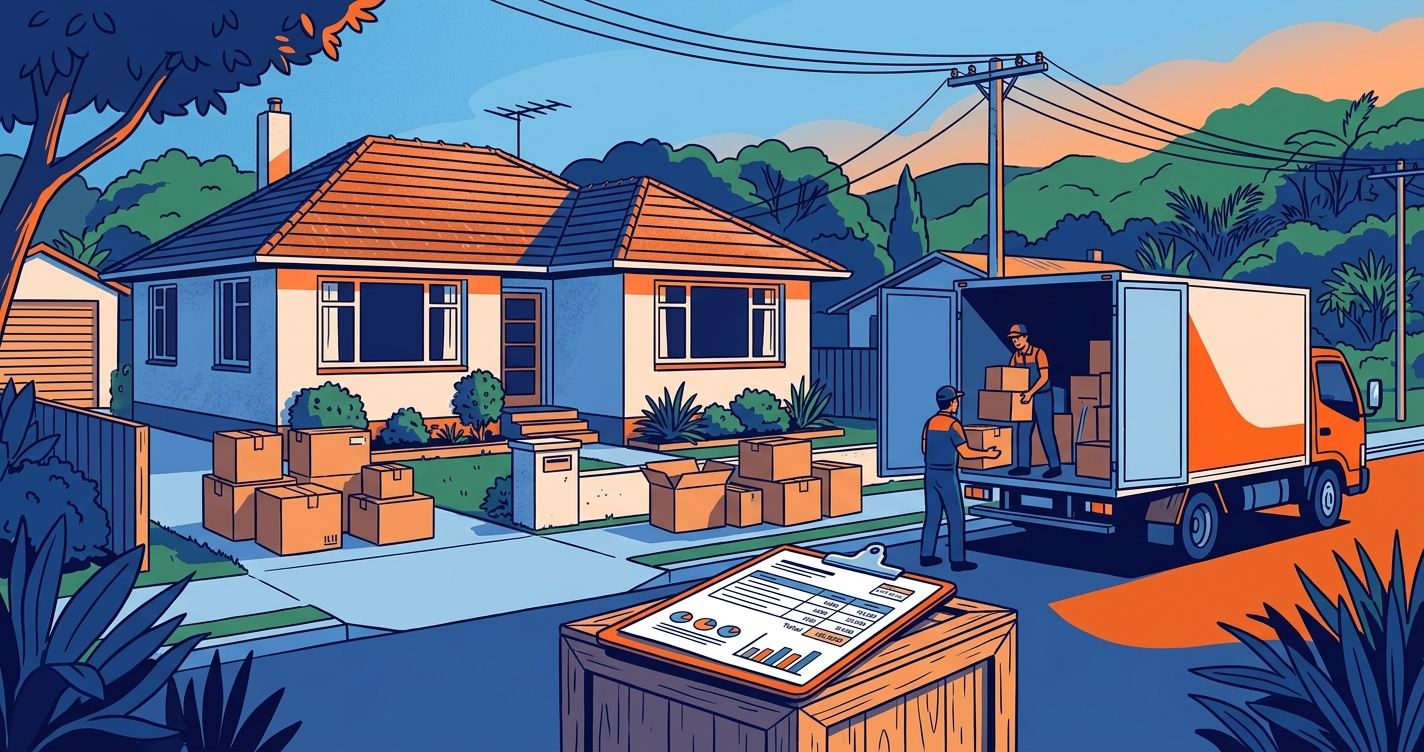
Moving house is one of the most expensive things Kiwis do outside of buying the property itself. Shifting across town or relocating from Auckland to Christchurch, one of the first questions is always: how much does it cost to move house in New Zealand?
The short answer is that it depends on four things: how much you are moving, how far, the access at both ends, and when you move. Removal firms price these differently, so the only reliable number is a quote for your own move.
This guide explains what drives the price, what changes from city to city, the charges people forget to budget for, and the practical ways to bring the total down.
How House Size Affects the Cost
The size of your home is usually the biggest factor in a moving quote. More bedrooms mean more furniture, more boxes, more truck space and more hours of labour.
- 1-bedroom flat or studio. The simplest job: small furniture plus boxes, often one vehicle and one or two people.
- 2-bedroom home. A noticeable step up: a bed or two, a lounge suite, a dining table and a good number of boxes.
- 3-bedroom home. More people and a bigger vehicle, and a longer day.
- 4+ bedroom home. Heavy furniture, appliances and outdoor items as well. A long-distance move at this size can run over more than one day.
When you ask for quotes, list the large items room by room, so every quote is for the same load.
Local Move vs Long-Distance Move
Distance is the second big cost driver.
Local Moves
Local moves are usually priced on time: the number of hours the crew and truck are working, often with a minimum charge. Anything that slows the job, such as stairs, a long carry from the truck or tight parking, adds to the bill.
Regional Moves
Regional moves cover trips like Auckland to Hamilton, Wellington to Palmerston North or Christchurch to Timaru. Quotes usually combine the labour with a charge for the distance.
Long-Distance Moves (Including Inter-Island)
Long-distance moves, such as Auckland to Wellington, Wellington to Christchurch or Auckland to Queenstown, involve a long drive, sometimes an overnight stop for the crew and, between the islands, the Cook Strait ferry. These are usually quoted as a fixed price for the job.
What Changes From City to City
The same move can take longer in some cities than others, and on a job billed by the hour, time is money. Things to plan for:
- Auckland. Traffic can add time to the job, so an off-peak, mid-week move helps. Avoid Auckland Anniversary Weekend.
- Wellington. Hills, steps and narrow streets make access the big question. Check a truck can get close before you book.
- Christchurch. Flat streets make access simpler in much of the city, but still check parking at both ends.
- Hamilton. A move to or from Auckland is a regional move, priced on distance as well as time.
- Tauranga. Summer is a busy time to move, so book well ahead for a move over the holidays.
- Dunedin. Hills and steep driveways affect access, and the weeks around the start of the university year are busy with student flat moves.
Hidden Costs People Forget When Moving House
The quote from your removalist covers the truck and labour, but several other costs catch people off guard. Budget for these to avoid surprises.
Packing Materials
Boxes, tape, bubble wrap and furniture blankets add up on a bigger house. Save by collecting free boxes from supermarkets, liquor stores and Facebook Marketplace a few weeks early. For a full packing guide, see our moving house checklist for NZ.
Insurance and Liability Cover
Check what liability cover a moving quote includes, as it may be limited per item. Save by checking whether your existing contents insurance covers items in transit. Some policies do, sometimes only if you tell your insurer first.
End-of-Tenancy or Pre-Sale Cleaning
Easy to forget when everything else is happening. If you plan to book a cleaner, get the quote early.
Storage
If your move-out and move-in dates do not line up, you may need self-storage for the gap, priced by unit size and location. Save by aligning the dates where you can.
Utility Disconnection and Reconnection
Power, internet and gas all need transferring. Notify providers 2 to 4 weeks in advance to avoid overlapping charges.
Redirecting Mail
NZ Post offers a paid mail redirection service. Small but easy to forget.
How to Save Money on Your Move
Moving is expensive, but there are practical ways to keep the cost down.
1. Use Competitive Bidding on SoundMove
Instead of accepting one company's fixed quote, post your moving job on SoundMove and ID-verified movers and drivers can bid on it.
How it helps:
- A driver with a gap in their schedule may price the job differently from a fixed rate card
- Bids side by side show you what drivers will actually do the job for, not what one rate card says
- You compare offers on price, and on ratings and reviews where drivers have them, before choosing
Posting is free and you are under no obligation to accept a bid, so it costs nothing to find out what the market says. For more strategies, read our guide on how to save money on delivery.
2. Declutter Before You Move
Every item you move costs money in truck space, labour time, and packing materials. A ruthless declutter can take a meaningful bite out of your volume before a single box is loaded.
- Sell unwanted items on Trade Me or Facebook Marketplace
- Donate to charity shops (Salvation Army, SPCA op shops)
- Take broken or worn-out items to the tip
A smaller load means a smaller truck, fewer hours, and a lower bill.
3. Pack Yourself
Packing services are charged on top of the moving quote. If you have the time, packing your own boxes takes that cost off the bill.
Tips for self-packing:
- Start 2 to 3 weeks before moving day
- Label every box with room and contents
- Pack heavy items in small boxes, light items in large boxes
- Wrap fragile items individually (see our guide to shipping fragile items safely)
4. Be Flexible With Your Moving Date
Weekends, public holidays and month-end dates are popular moving days. If you can move mid-week or mid-month, get quotes for those dates as well and compare.
5. Get Multiple Quotes
Never accept the first quote you receive. Get at least three, or post on SoundMove and let the market set the price. Quotes for the same job can differ by more than most people expect, and you only find that out by asking more than one mover.
6. Do What You Can Yourself
Move boxes, clothing, and light items in your own car over several trips before moving day. The less the movers need to handle, the faster the job and the lower the cost. Our guide on the cheapest way to move furniture in NZ covers more DIY strategies.
When Is the Cheapest Time to Move House in NZ?
When you move can make a difference to what you pay.
Quieter Months: May to August
Winter is the quietest period for the moving trade. Fewer people shift during the colder months, so there is more availability and more willingness to negotiate than you will find in January.
Busier Months: November to February
Summer is peak moving season. Lease changeovers, school holidays and people wanting to move in good weather all push demand up, so book early if you need to move then.
Mid-Week Days: Tuesday to Thursday
Weekends are the most popular days to move. If a Tuesday, Wednesday or Thursday works for you, get quotes for those days as well.
Other Peak Dates to Avoid
- End of month (lease changeover dates)
- Public holiday weekends (Waitangi Day, Easter, King's Birthday, Matariki, Labour Weekend)
- University orientation weeks (February in most cities)
- Auckland Anniversary Weekend (late January)
DIY vs Professional Movers: Which Is Right for You?
Deciding between doing it yourself and hiring professionals depends on your budget, the size of your move, and how much effort you are willing to put in.
DIY Move
Best for: Small moves (1 to 2 bedrooms), short distances, people with helpers available.
You pay for the truck or van hire, fuel and packing materials, plus a few pizzas for your mates. You get full control over timing and handling, but you take on the lifting, the risk of injury and any damage yourself.
Professional Movers
Best for: Larger moves (3+ bedrooms), long-distance relocations, homes with heavy or valuable furniture.
A moving company's quote covers the truck, the crew and their equipment, and often some basic liability cover. An experienced crew with the right gear handles heavy and awkward items more safely than a group of friends. The trade-off is a higher upfront cost and the need to book ahead in peak season.
The Hybrid Approach
Many Kiwis move boxes and small items themselves over several car trips, then hire professionals just for the heavy furniture. Since local moves are billed by the hour, every load you shift yourself comes off the bill.
Ready to see what your move would cost? Post your moving job on SoundMove and ID-verified movers and drivers can bid on it. It is free to post and there is no obligation to accept any bid.
Frequently Asked Questions
How much do movers charge per hour in NZ?
Most moving companies price local moves by the hour for a crew and truck, often with a minimum charge, and the rate goes up with each extra mover. Rates vary by company and city, so ask each one for its hourly rate, its minimum charge and when the clock starts and stops. Long-distance jobs are usually quoted as a fixed price.
What is the cheapest way to move house in NZ?
It depends on the size of your move. For small moves (1 to 2 bedrooms), renting a van or truck and doing it yourself keeps the cash cost down if you have helpers. For larger moves, declutter hard, pack yourself, and post the job on a bidding platform like SoundMove to get prices from several ID-verified movers and drivers rather than one company's number. For more tips, read our cheapest way to move furniture guide.
How far in advance should I book movers?
For standard moves, booking 2 to 4 weeks in advance is usually sufficient. During peak season (November to February) or for long-distance moves, aim for 4 to 6 weeks. If you need to move at short notice, you can post on SoundMove up to 24 hours before the job, and drivers with a gap in their schedule can bid.
Do movers pack for you?
Yes, most moving companies offer packing at an extra cost. Some offer partial packing, where they handle fragile and awkward items while you pack the straightforward boxes yourself. Ask for packing as a separate line in the quote so you can compare.
Is it cheaper to move in winter?
Usually. Winter (May to August) is the off-peak season for the moving trade in New Zealand, so you will find better availability and more room to negotiate than in the summer rush. The trade-off is cold and wet weather, which is manageable if your belongings are properly packed and protected.
Should I get moving insurance?
Moving companies often include basic liability cover, but it may be limited per item and not enough for high-value possessions. Check your home contents policy first, as some policies cover items in transit during a house move (you may need to tell your insurer). For artwork, antiques or expensive electronics, consider dedicated transit insurance. If you book through SoundMove, the SoundMove Guarantee can also contribute up to NZ$500 towards your excess on an accepted insurance claim, subject to the terms on that page.
The Bottom Line
What it costs to move house in New Zealand varies a long way from one move to the next. The biggest factors in your final bill are the size of your home, the distance you are moving, the access at both ends and the time of year.
The best way to know what your move is worth is to get several prices. Instead of phoning around for individual quotes, post your moving job on SoundMove and ID-verified movers and drivers can bid on it. With bids to compare, you can decide on price, reputation and what each bid includes.
Start with our moving house checklist for NZ to plan your move from start to finish, then post your job on SoundMove and compare the bids.
Tags
SoundMove
SoundMove's guides are written by a team with hands-on experience across New Zealand's logistics and transport industry, from freight and courier operations to furniture removals. We have seen first-hand how stressful and expensive it can be for everyday Kiwis to move furniture, appliances, and Trade Me purchases, and how often people get let down by unreliable drivers. SoundMove was built to fix that: a marketplace where verified drivers compete for your job, so you get a fair price and a delivery you can trust.