How to Pack Food When Moving House in NZ

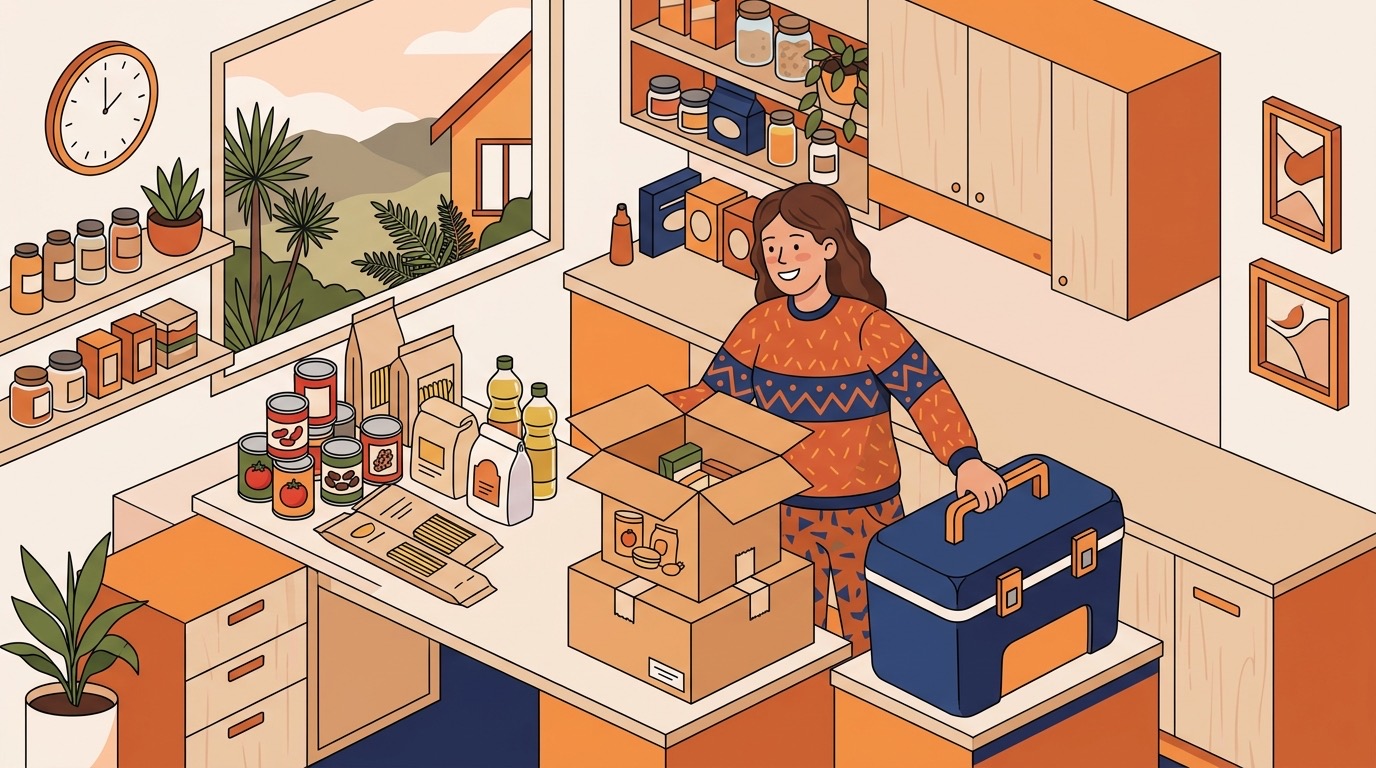
Food is the part of a move almost everyone underestimates. You spend weeks carefully wrapping plates and labelling boxes, then on moving day you are standing in front of a full pantry and a packed fridge with no plan at all. The result is usually a bin bag of spoiled food, a leaking box, and a takeaway dinner you did not budget for.
It does not have to go that way. With a bit of planning in the weeks before the move, you can run your pantry, fridge, and freezer right down, pack what is left so nothing leaks, and arrive with the basics you need for the first day. Here is how to do it.
Start With a Food Audit
A few weeks out, go through everything you have: the pantry, the fridge, the freezer, and any overflow cupboards. Work out what you can realistically eat before moving day and what genuinely needs to come with you.
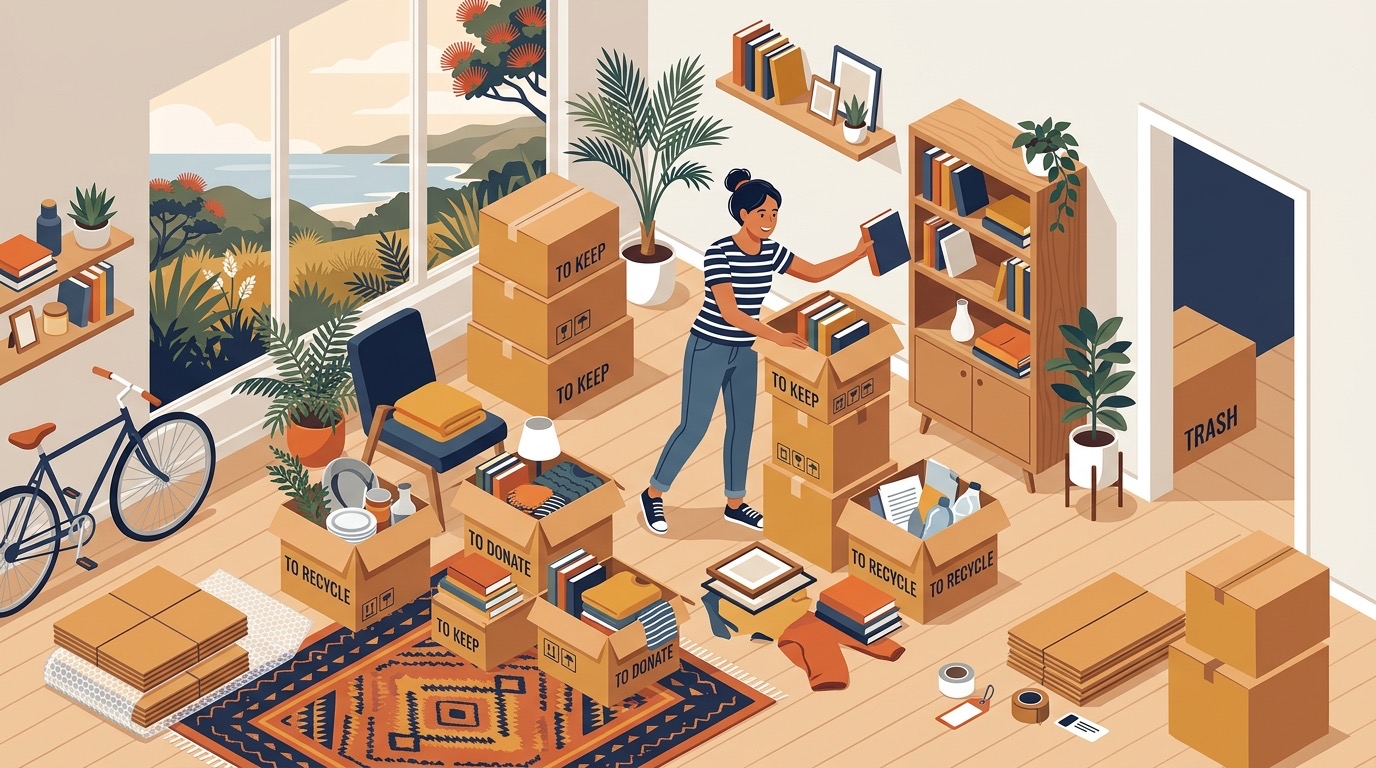
For every item, ask whether it is worth packing and transporting at all. A half-used bag of flour or a single tin of beans is rarely worth the box space. Pull anything that is opened, low, or close to its date and plan meals around it. Anything past its date goes straight in the bin or compost.
This audit feeds neatly into the next few weeks of cooking, and it is the same mindset as the one in our guide to decluttering before a move. You are deciding what earns its place in the truck.
Eat Down the Pantry and Freezer First
In the two to three weeks before moving, treat your pantry and freezer as a meal plan rather than a store. Cook with what you already have instead of buying more.
The freezer in particular needs running down, because frozen food does not travel well over a long move. Build dinners around whatever is in there: the bag of vegetables, the mince from three months ago, the leftover bolognese. By the week of the move, the freezer should be close to empty so you can defrost and clean it.
Stop doing big grocery shops a couple of weeks out. Buy only fresh items you will use immediately. Every item you eat now is one you do not have to pack, carry, or risk spoiling.
What to Do With Food You Cannot Use
You will always have some food left over that you simply cannot eat in time. You do not have to bin it.
- Donate unopened non-perishables. Tinned food, pasta, rice, and other sealed dry goods are welcomed by food banks and community pantries. The Salvation Army and local foodbanks are easy drop-offs.
- Give it to neighbours, flatmates, or friends. Open packets, fresh produce, and freezer contents that will not survive the move are perfect to pass on.
- Compost what is genuinely waste. Anything spoiled or past its date should be composted or binned rather than packed in hope.
Sorting food out this way keeps waste down. If reducing the footprint of your whole move matters to you, our guide on eco-friendly moving in NZ has more ideas.
How to Pack the Food That Is Coming With You
What survives the run-down should be a manageable amount. Pack it properly so nothing leaks or gets crushed.
Dry and pantry goods
- Move sealed, unopened items in small to medium boxes.
- Transfer opened packets of flour, rice, pasta, sugar, and cereal into airtight containers or sealed resealable bags. Open packets attract pests and spill everywhere.
- Group similar items together so unpacking the kitchen is quick.
- Tape any opened boxes closed firmly so contents cannot escape in transit.
Cans and jars
- Pack tins and jars in small boxes only. They get heavy fast, and an overloaded box of cans is a box that breaks or that nobody can lift.
- Wrap glass jars and bottles individually in paper so they do not knock together.
- Keep heavy cans away from anything crushable, like bread, crackers, or chips.
Cooking oils and liquids
- Seal the lids on oils, sauces, and other liquids, then tape over the lid for extra security.
- Pop each bottle in a resealable bag in case it leaks anyway.
- Keep liquids upright and stand them in a box together, away from dry goods.
A quick reference
| Food type | How to pack it | Watch out for |
|---|---|---|
| Sealed dry goods | Small or medium boxes | Overloading, mixed with heavy items |
| Opened dry goods | Airtight containers or sealed bags | Spills, pests |
| Cans and jars | Small boxes only | Weight, glass breakage |
| Oils and liquids | Sealed, bagged, kept upright | Leaks onto other food |
| Fridge and freezer items | Chilly bins with ice packs | Spoilage on long moves |
Managing the Fridge and Freezer
Chilled and frozen food is the trickiest category, and the rule is simple: only move what you can eat within a day or two of arriving.
For a short local move of under an hour, most chilled items will be fine in a chilly bin with ice packs or frozen blocks. For a longer move, between cities or involving a ferry, you are better off eating, giving away, or donating fridge and freezer food rather than trying to keep it cold for hours.
On moving day, defrost and wipe out the freezer the night before, and empty and clean the fridge. A fridge being transported should travel upright and, importantly, be left to stand for several hours, usually four to six, before being plugged in at the new house. The oil in the compressor needs time to settle. Plugging it in straight away can damage it.
Pack a First-Day Food Kit
The last thing you want after a day of moving is to dig through twenty boxes looking for the kettle and a teabag. Pack a clearly labelled first-day food kit and keep it in your own car, not on the truck.
A good kit includes:
- Tea, coffee, and a few mugs.
- The kettle.
- Breakfast basics for the first morning, like cereal, bread, spread, and long-life milk.
- Easy snacks, fruit, muesli bars, and biscuits to keep everyone going during the move.
- Bottled water for the whole household and any helpers.
- Basic utensils: a knife, a spoon, a chopping board, and a few plates.
- Salt, pepper, and any essentials you cannot face a meal without.
This single box is the difference between a calm first evening and a frustrating hunt through cardboard.
Fit Food Packing Into Your Wider Plan
Food packing works best when it is part of a broader timeline rather than a last-minute scramble. Run it alongside the rest of your preparation using our moving house checklist for NZ, so the food audit, the run-down, and the first-day kit all happen at the right time.
Once you know roughly how much you are moving overall, you can post your job on SoundMove and let verified drivers bid on it. A lighter, well-organised load is cheaper to shift, and competitive bidding means you get a fair price rather than a fixed rate.
Frequently Asked Questions
Can I move frozen food when I change houses?
For a short move of under an hour, frozen food usually survives fine in a chilly bin with ice packs. For longer moves between cities, it is safer to eat or donate freezer food beforehand rather than risk it thawing in transit. Defrost and clean the freezer the night before moving day.
How do I pack opened pantry items?
Transfer opened flour, rice, pasta, sugar, and cereal into airtight containers or sealed resealable bags. Loose open packets spill in transit and attract pests. Sealed, unopened goods can simply go straight into boxes.
Should I plug the fridge in as soon as it arrives?
No. Let the fridge stand upright for four to six hours after the move before plugging it in. The compressor oil needs time to settle after being transported. Plugging it in immediately can damage the appliance.
What food should I keep with me on moving day?
Pack a first-day kit for your car: the kettle, tea, coffee, mugs, breakfast basics, snacks, water, and a few utensils. This means you can make a cuppa and feed everyone without unpacking the kitchen on day one.
Less Waste, Less Stress, an Easy First Night
Packing food well is mostly about timing. Audit early, eat down the pantry and freezer in the final weeks, donate what you cannot use, and pack the rest so nothing leaks or breaks. Keep a first-day kit close, and your first evening in the new place can start with a hot cuppa instead of a frantic search.
When the rest of the house is ready to go, post your job on SoundMove and let verified drivers compete for a fair price on the move. For ideas on what to actually eat while your kitchen is in boxes, take a look at our moving week meal guide.
Tags
SoundMove
SoundMove's guides are written by a team with hands-on experience across New Zealand's logistics and transport industry, from freight and courier operations to furniture removals. We have seen first-hand how stressful and expensive it can be for everyday Kiwis to move furniture, appliances, and Trade Me purchases, and how often people get let down by unreliable drivers. SoundMove was built to fix that: a marketplace where verified drivers compete for your job, so you get a fair price and a delivery you can trust.