How to Move House With Kids in New Zealand

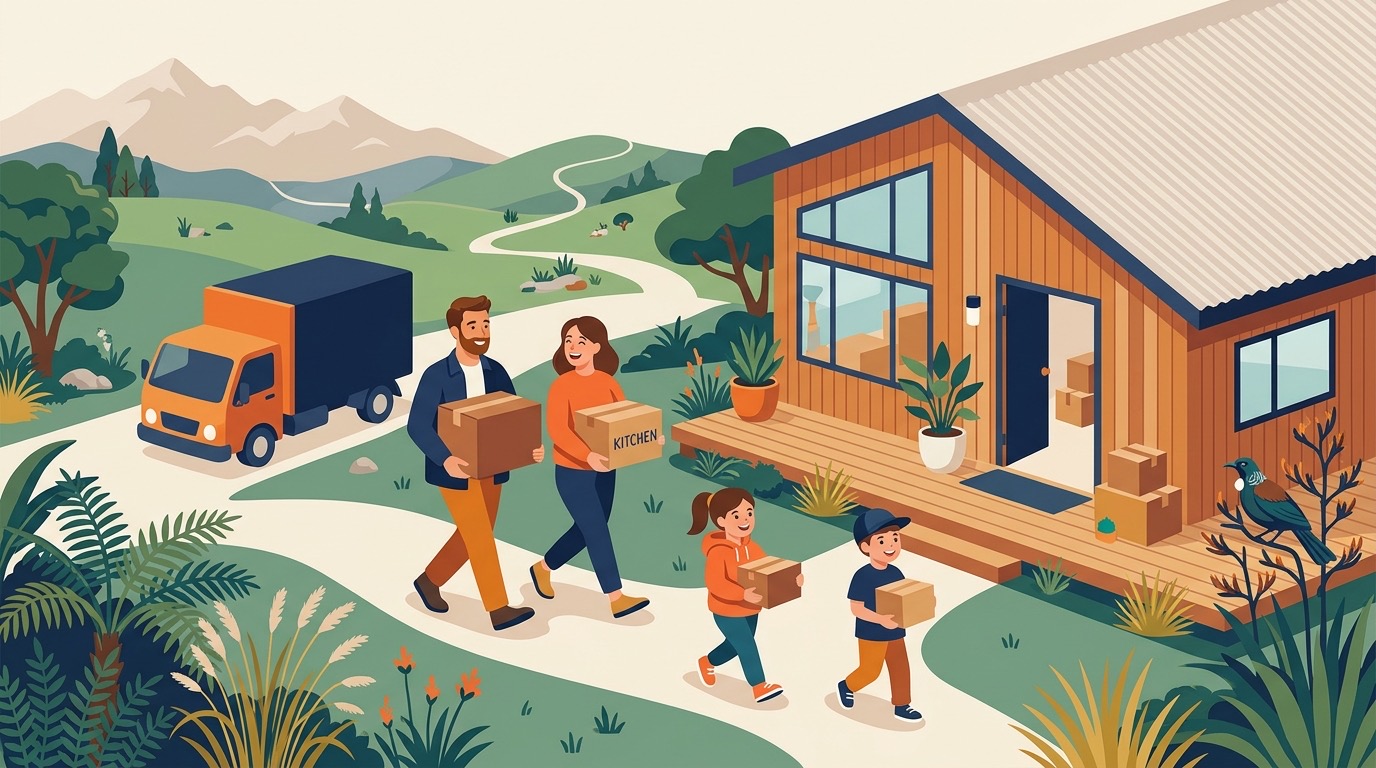
Moving house is stressful enough on its own. Add children to the mix and you are managing a logistics operation and a set of small emotions at the same time. For a child, a house is not just walls and a roof. It is their bedroom, their street, their friends down the road, the school they know, the park they have always played at. Pulling all of that up at once is a big deal.
The reassuring part is that children are adaptable, and how well they handle a move comes down largely to how the adults around them handle it. With some planning and the right tone, a family move can be an adventure rather than an upheaval. This guide covers how to move house with kids in New Zealand, from the first conversation through to settling in.
Why Moving Hits Kids Harder Than We Think
For adults, a move is usually a chosen, positive step. For children it can feel like something is being taken away rather than gained. They lose the familiar without having decided to, and a run of moves in a short space of time is harder again, particularly if it means changing schools each time.
None of that is a reason to avoid moving. It is a reason to do it thoughtfully. The most useful thing you can do is keep your child feeling informed, included, and secure throughout.
Tell the Kids Early, and Tell Them Honestly
Children pick up on tension long before they are told anything. Whispered phone calls, boxes appearing, parents who seem distracted: they notice. Being open early is far better than a last-minute reveal.
How you have the conversation depends on age:
- Toddlers and preschoolers do not need much notice or detail. A simple, cheerful explanation a couple of weeks out, repeated as moving day nears, is plenty.
- Primary-aged children benefit from a few weeks to a couple of months. Be honest about why you are moving and what will stay the same. They will have questions, so answer them straight.
- Teenagers need the most lead time and the most respect. A move can mean leaving a tight friend group or changing schools at a sensitive age. Acknowledge that it is hard, and where you genuinely can, give them a say.
Whatever the age, focus on what stays constant. The family is still together, their toys and bed are coming, you will still read the same bedtime stories. Constancy is what calms children.
Give Children a Sense of Control
Much of the stress of moving for a child is the feeling that it is all happening to them. You can shift that by handing them small, real choices.
- Let them help choose the colour of their new room or where the bed goes.
- Give them a say in which toys travel in the car with them.
- Let older children plan how they want to set up their new space.
- Involve them in researching the new neighbourhood, the local pools, parks, and skate spots.
These are little decisions, but they turn a child from a passenger into a participant.
Packing With Kids Involved
Children can be part of the packing rather than shut out of it, and it tends to go better when they are.
Make decluttering positive
Sorting toys and clothes before a move is a great opportunity, but framing matters. "Let's throw out your old stuff" lands badly. "Let's find toys another kid would love" lands well. Donating outgrown toys and books to charity gives children a sense of generosity rather than loss. Our guide on decluttering before moving house has a full system if you want one.
Let them pack their own boxes
Give each child a few boxes and let them pack their own things, with a bit of supervision. Coloured stickers or drawings on their boxes make them easy to spot at the new house and give kids ownership of the process.
Build a "first night" box for each child
This is one of the most useful things you can do. Pack a clearly labelled box or bag for each child with everything they need for the first night and morning: pyjamas, a change of clothes, toothbrush, a favourite comfort toy or blanket, a couple of books, and a nightlight if they use one. When everything else is still in boxes, this one bag means bedtime feels normal.
Surviving Moving Day Itself
Moving day is chaotic, with heavy lifting, vehicles, open doors, and adults focused on logistics. It is not a great day for small children to be underfoot.
- Arrange childcare if you can. A grandparent, friend, or babysitter taking young children for the day keeps them safe and keeps you free to manage the move. Older children may want to be involved, which is fine.
- Give kids who stay a real job. Carrying light boxes, looking after the family pet, or being in charge of snacks gives them a purpose and keeps them occupied.
- Pack a kids' day bag. Snacks, water, a tablet or games, and a few toys ride in the car so there is always something to do.
- Keep routines where you can. Try to hold meal times and, especially, bedtime close to normal even amid the mess.
- Expect a meltdown or two. Tired, overstimulated children will have moments. Acknowledge the feelings rather than dismissing them. It is a big day for them too.
While you focus on the kids, having a reliable driver handle the heavy lifting takes a huge load off. With SoundMove you can post your moving job for free and have verified drivers bid for it, so the transport side runs smoothly without you having to micromanage it.
Helping Kids Settle Into the New Home
The move is not over when the truck leaves. The settling-in weeks matter just as much.
Set up the children's rooms first
Before you sort the kitchen or lounge, get each child's room set up: bed made, familiar things out, a few favourite items on display. A child who has their own familiar space to retreat to on the first night settles far faster.
Explore the new area together
Make the new neighbourhood feel like home by getting out into it. Walk to the local park, find the nearest dairy, suss out the library and the pools. The faster the area becomes familiar, the faster it stops feeling foreign.
Handle the school change carefully
Sort the school out early. Many New Zealand schools have an enrolment zone, so check whether your new address is in zone before you count on a place, and contact the school directly to confirm. Out-of-zone enrolments usually depend on whether the school is running a ballot and has spaces.
Once a place is sorted, visit before the first day if you can. Meeting a teacher and seeing the classroom takes a lot of the fear out of it. Starting at the beginning of a term is easier on a child than arriving halfway through, so if the timing of your move gives you that choice, take it. Help them connect with one or two other kids early, since one friend changes everything, and keep talking to teachers about how your child is settling.
Keep checking in
Children do not always say when they are struggling, especially older ones. Keep gently asking how they are finding things in the days and weeks after the move. Some homesickness is normal and usually fades. If sadness lingers or behaviour changes noticeably, talk to your GP or the school, and for under-fives your Whānau Āwhina Plunket nurse is a good first call.
A Quick Age-by-Age Reference
| Age group | When to tell them | What helps most |
|---|---|---|
| Toddlers and preschoolers | A week or two before | Routine, comfort items, calm parents |
| Primary-aged children | A few weeks to a couple of months | Honest answers, small choices, packing involvement |
| Teenagers | As much notice as possible | Respect, a real say, help keeping old friendships |
Frequently Asked Questions
How far in advance should I tell my kids we are moving?
It depends on age. Toddlers need only a week or two, primary-aged children do well with a few weeks to a couple of months, and teenagers should be told as early as possible so they have time to process it and stay connected with friends.
Should children be at home on moving day?
Young children are usually better off with a grandparent, friend, or babysitter for the day. It keeps them safe away from heavy lifting and open doors, and frees you up. Older children often want to help, and giving them a real job works well.
What should go in a child's first night box?
Pyjamas, a change of clothes, toothbrush, a comfort toy or blanket, a couple of books, and a nightlight if they use one. The aim is for bedtime on the first night to feel as normal as possible while everything else is still packed.
How do I help my child settle into a new school?
Check whether your new address is in the school's enrolment zone and contact the school early, as out-of-zone places are not guaranteed. Then visit before the first day if you can, so your child can meet a teacher and see the classroom. Starting at the beginning of a term is easier than arriving mid-term. Help them make a friend or two early, and stay in regular contact with teachers about how they are adjusting.
How can I make the move less stressful for everyone?
Plan ahead, communicate honestly, and hand the heavy logistics to people who do it well. Booking a reliable driver through SoundMove for the transport means you can focus your energy on your children rather than on hauling furniture.
A Move Your Whole Family Can Handle
Children take their cue from the adults around them. If you stay calm, keep them informed, and give them a genuine part to play, a move becomes something the whole family does together rather than something that happens to them.
Take the transport stress off your plate so you can focus on the kids. Post your family move on SoundMove, compare bids from verified drivers, and get a fair price for a move you can trust. For a full task list to keep the rest organised, see our moving house checklist for NZ.
Tags
SoundMove
SoundMove's guides are written by a team with hands-on experience across New Zealand's logistics and transport industry, from freight and courier operations to furniture removals. We have seen first-hand how stressful and expensive it can be for everyday Kiwis to move furniture, appliances, and Trade Me purchases, and how often people get let down by unreliable drivers. SoundMove was built to fix that: a marketplace where verified drivers compete for your job, so you get a fair price and a delivery you can trust.